
Finance

Why Real Estate Wealth Requires Special Estate Planning
High property values can complicate taxes, liquidity, and inheritance, making real estate one of the most complex assets to plan for.


No Spouse. No Children. Now What?
As more Americans age alone, estate plans must address who decides, who helps, and who steps in.

Why Incapacity Planning Can't Wait
Longer lifespans and rising cognitive decline mean incapacity—not death—is now the greatest estate-planning risk.

Why Long-Term Care Risk Can No Longer Be Ignored in Estate Planning
Rising care costs and longer life expectancies are quietly reshaping estate outcomes.
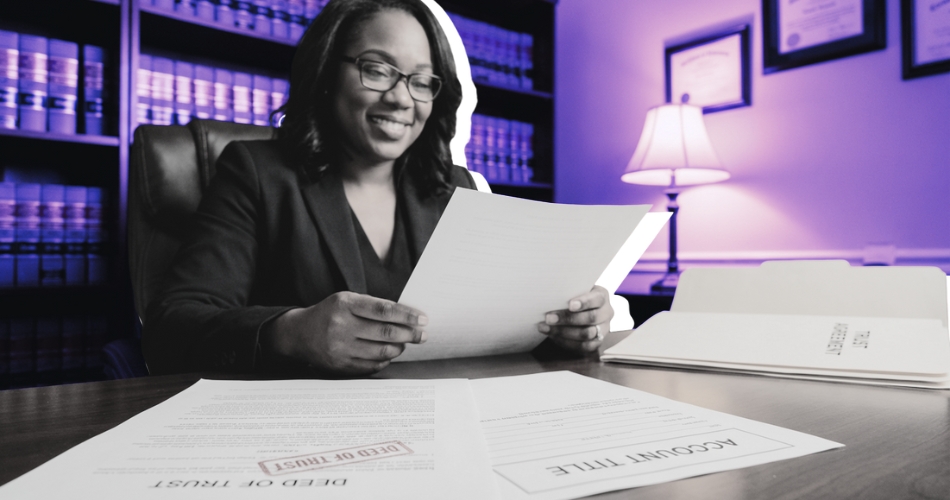
When Asset Titles Undo Your Estate Plan
A single deed or beneficiary form can override your trust entirely, triggering probate, conflict, and outcomes you never intended.

What Happens When You Wait Too Long to Create a Trust?
Court delays, probate fees, and preventable tax exposure can erode an estate fast. A trust creates clarity before a crisis.

The Emotional Cost of Putting Off Estate Planning
How unfinished documents, unspoken wishes, and unclear plans can strain families when they’re already grieving.

What Happens When You Gift a Trust to Family?
The legal, tax, and estate-planning implications that determine whether it protects or complicates your wealth.

Don’t Let Your Crypto Become Digital Dust
What happens to your cryptocurrency when you die, and why digital wealth requires explicit estate planning.

The Estate-Tax Drop in 2026 Could Cost Your Heirs
The federal exemption is set to fall sharply in 2026 — putting many more families at risk unless they plan ahead.


Discover What Grows Wealth with Minimum Effort & Minimum Risk
